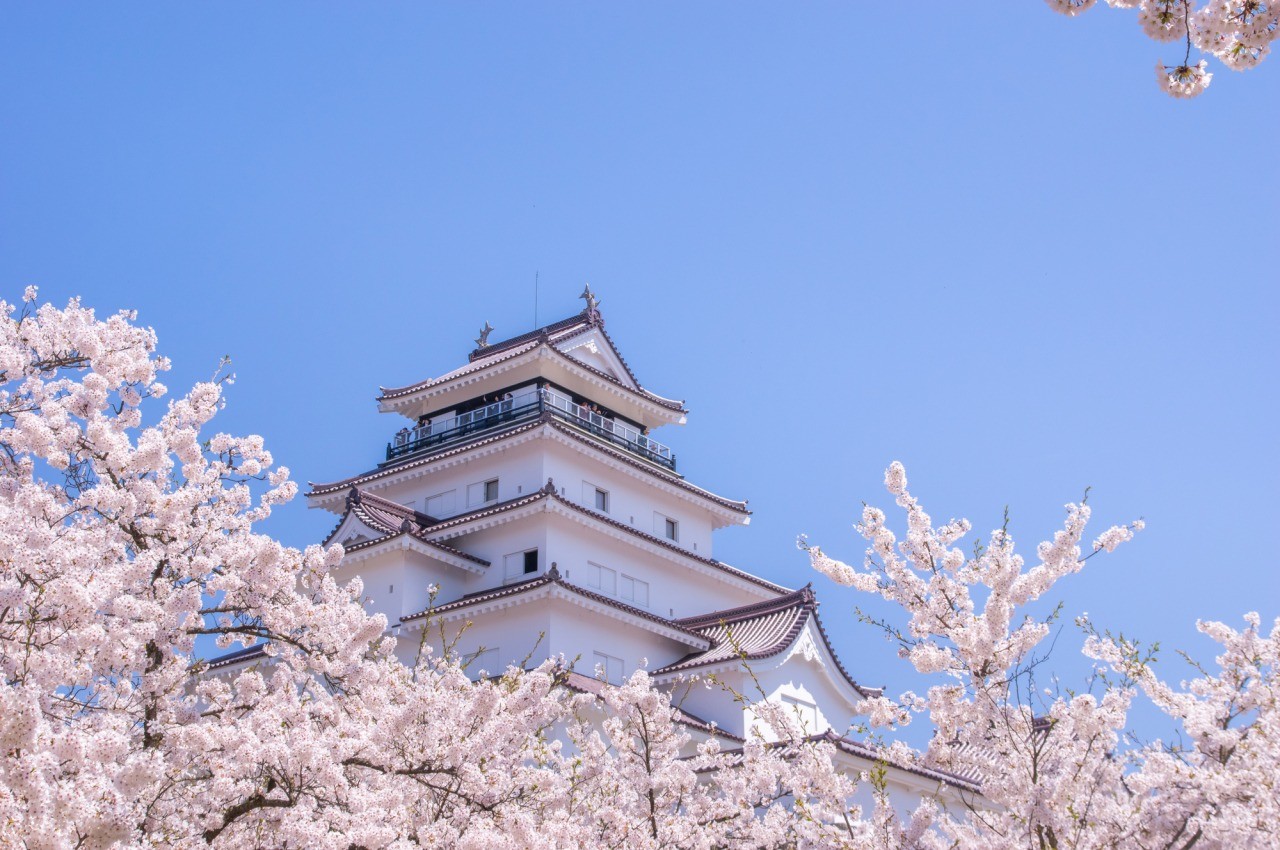
Tohoku · Japan
Fukushima
A touching and tangible connection to the Last Samurai era, combined with volcanic landscapes that offer some of Japan's most colorful hiking trails.
Samurai Spirit & Retro Charm. Fukushima is a land of resilience and deep feudal loyalty.
Must-See
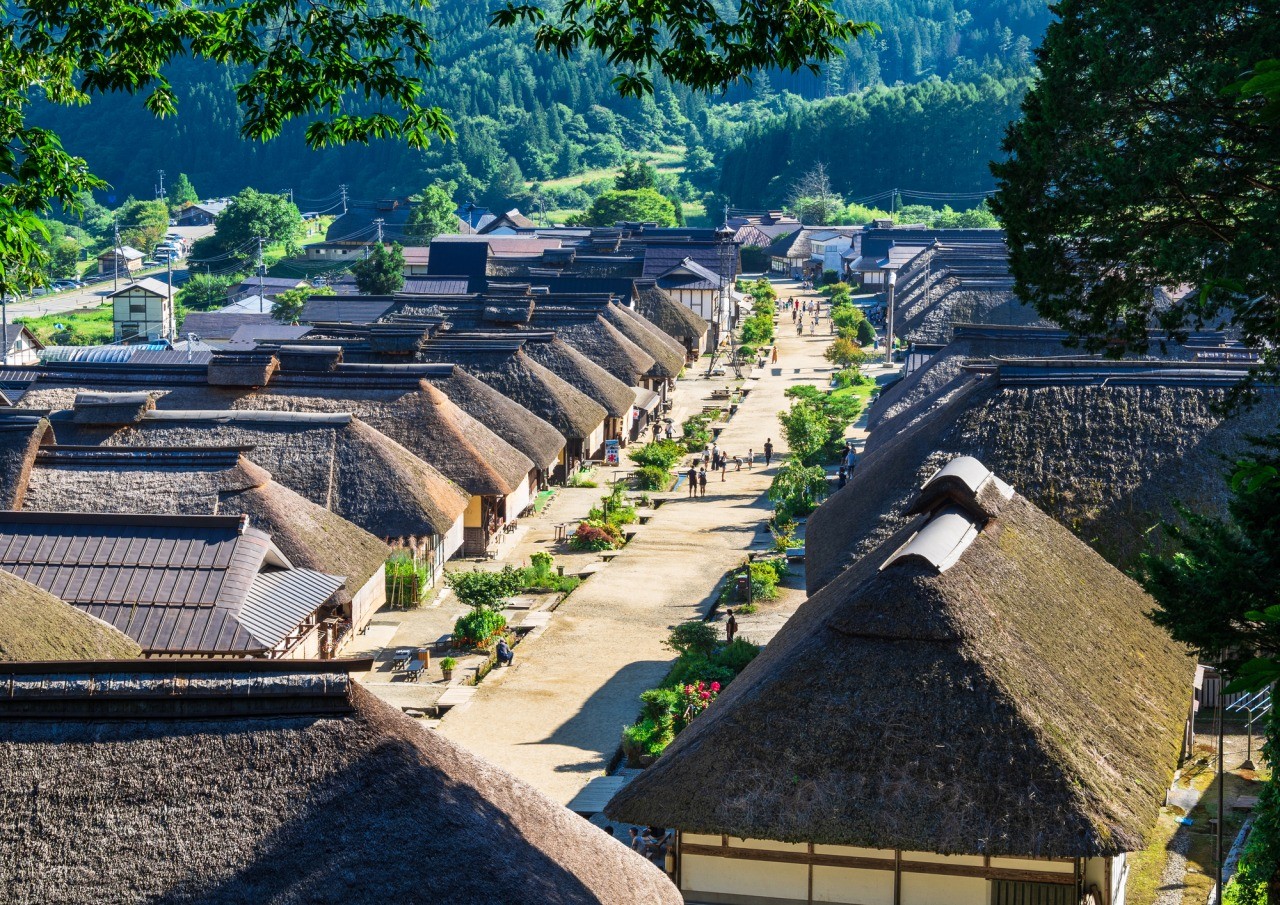
Ouchi-juku
A former post town with thatched-roof buildings.
- Thatched-roof streetscape
- Negi Soba (Green Onion Noodles)
- Hillside viewpoint
Best Time to Visit: Winter for the Snow Festival with lanterns, or Summer for lush hydrangea.
Hidden Gem
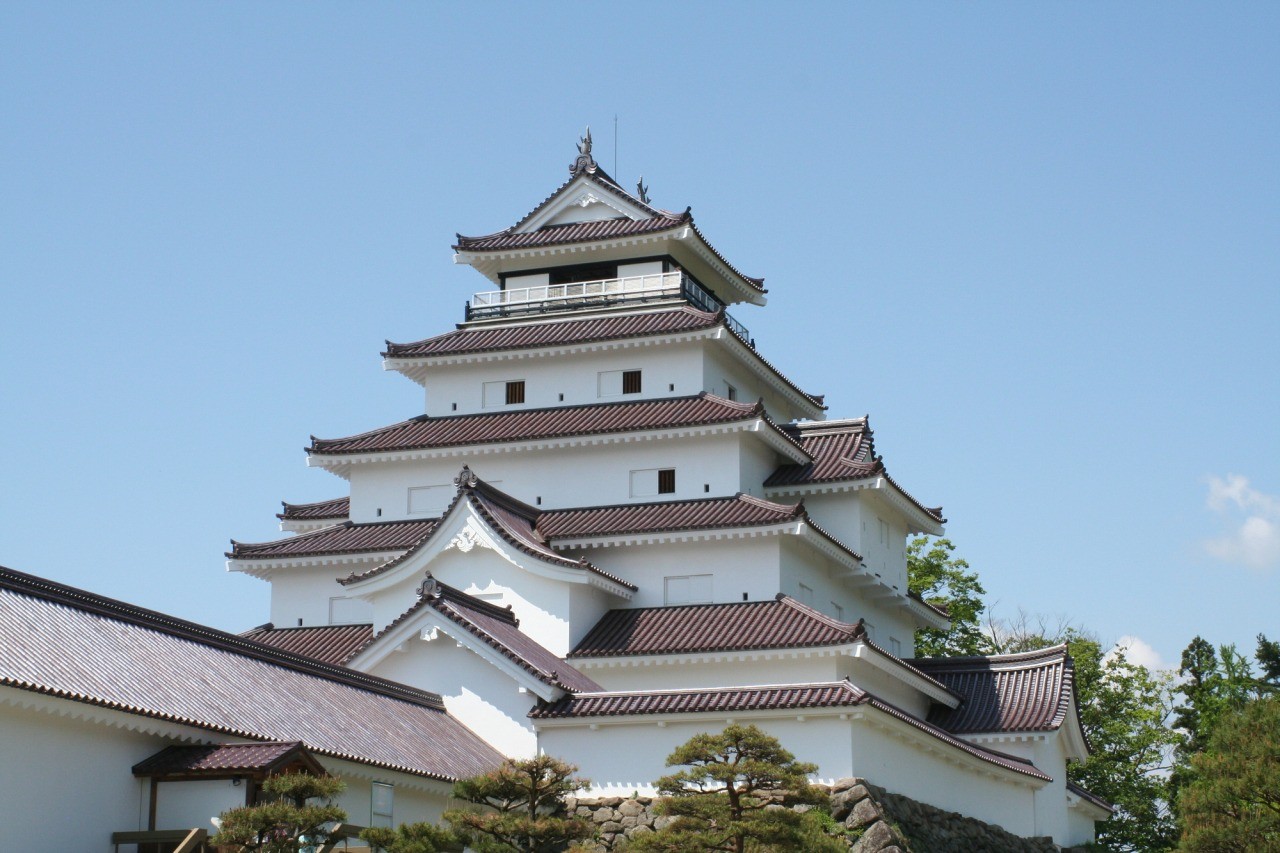
Tsuruga Castle
The only castle in Japan with red roof tiles.
- Red roof tiles
- Rinkaku Tea House
- History Museum
Best Time to Visit: Spring, when 1,000 cherry trees bloom around the red-roofed keep.
Local Favorite
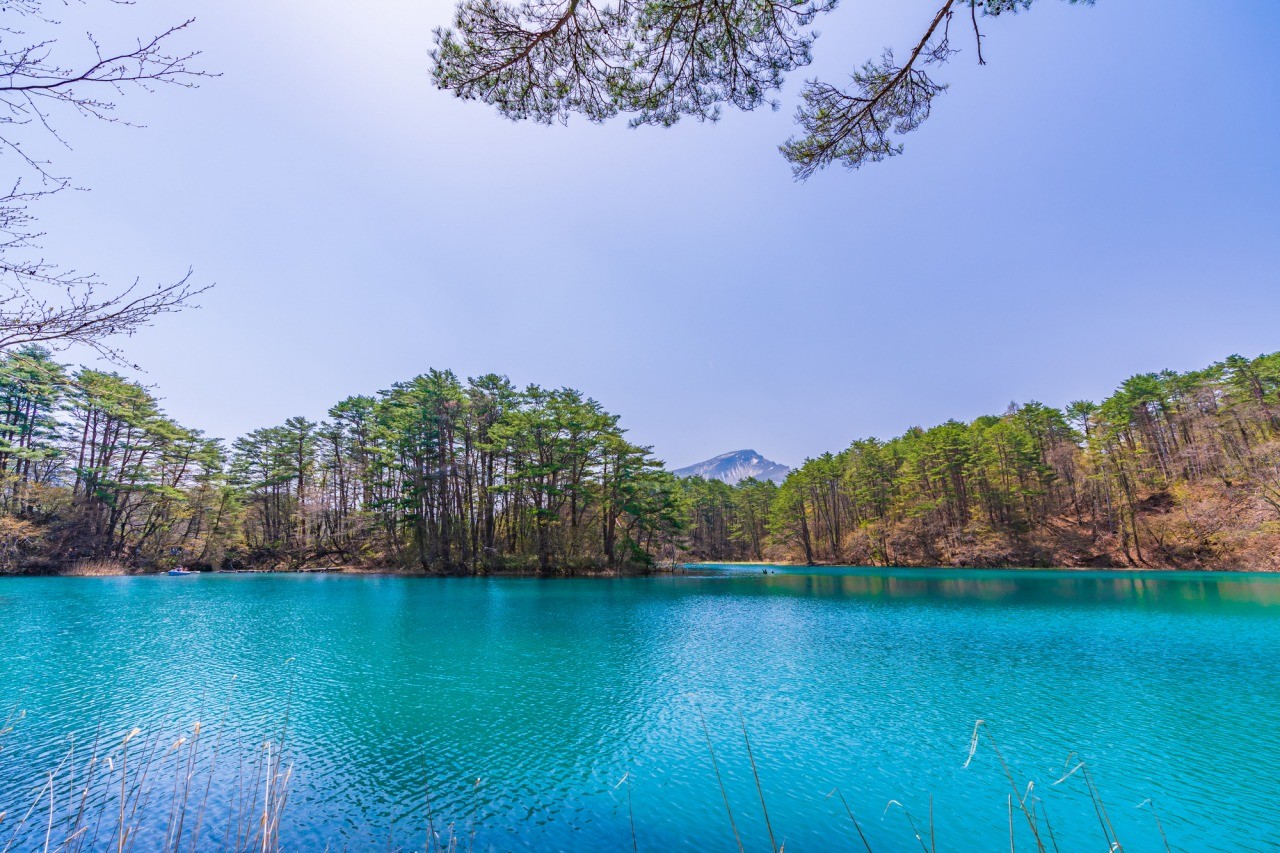
Goshikinuma
The 'Five Colored Ponds' known for changing hues.
- Bishamon Pond (largest)
- Aonuma (Blue Swamp)
- Nature Trail hike
Best Time to Visit: Autumn for the contrast of colorful water and red leaves.
Experiences
Activities & Experiences
From adrenaline to tranquility — find the experiences that match your travel style.
 Nature
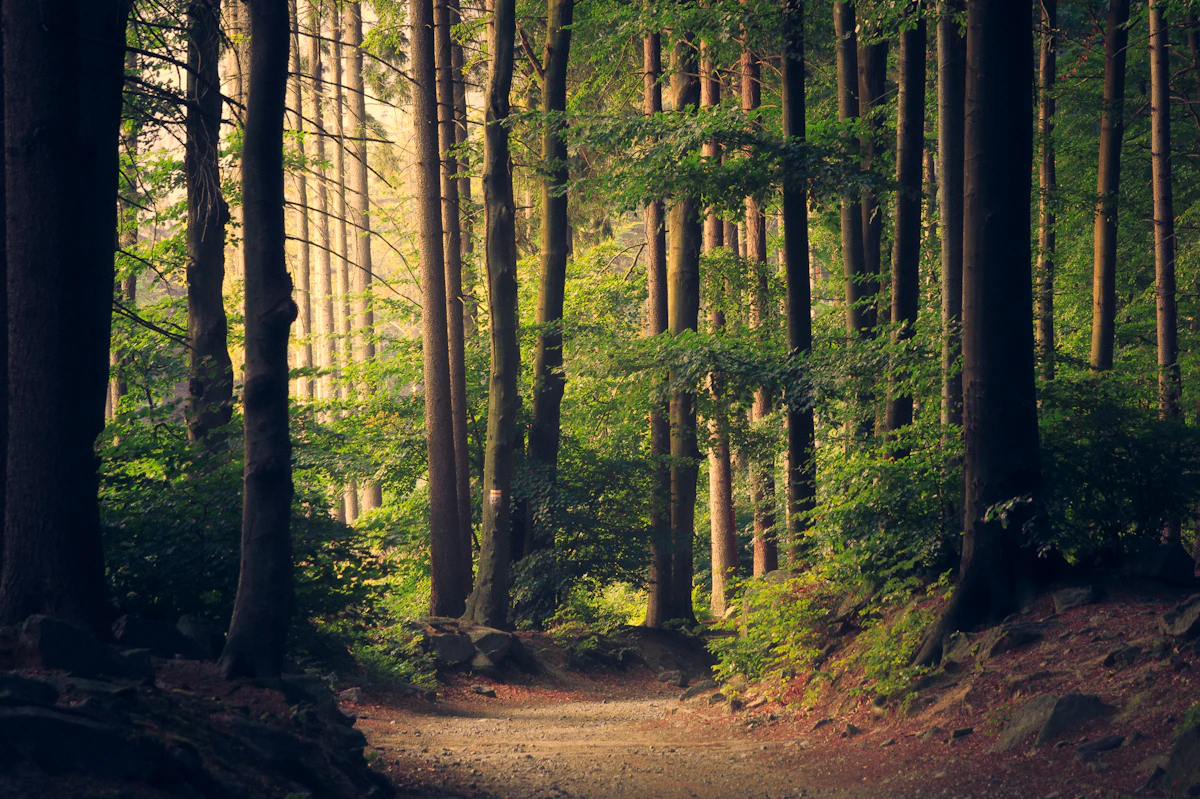
Goshikinuma Five Colored Ponds Hike
Walk a gentle 3.6km trail connecting volcanic ponds that shift between emerald, turquoise, cobalt, and rust-red. Colors change hour by hour — no two visits look the same.
 Culture
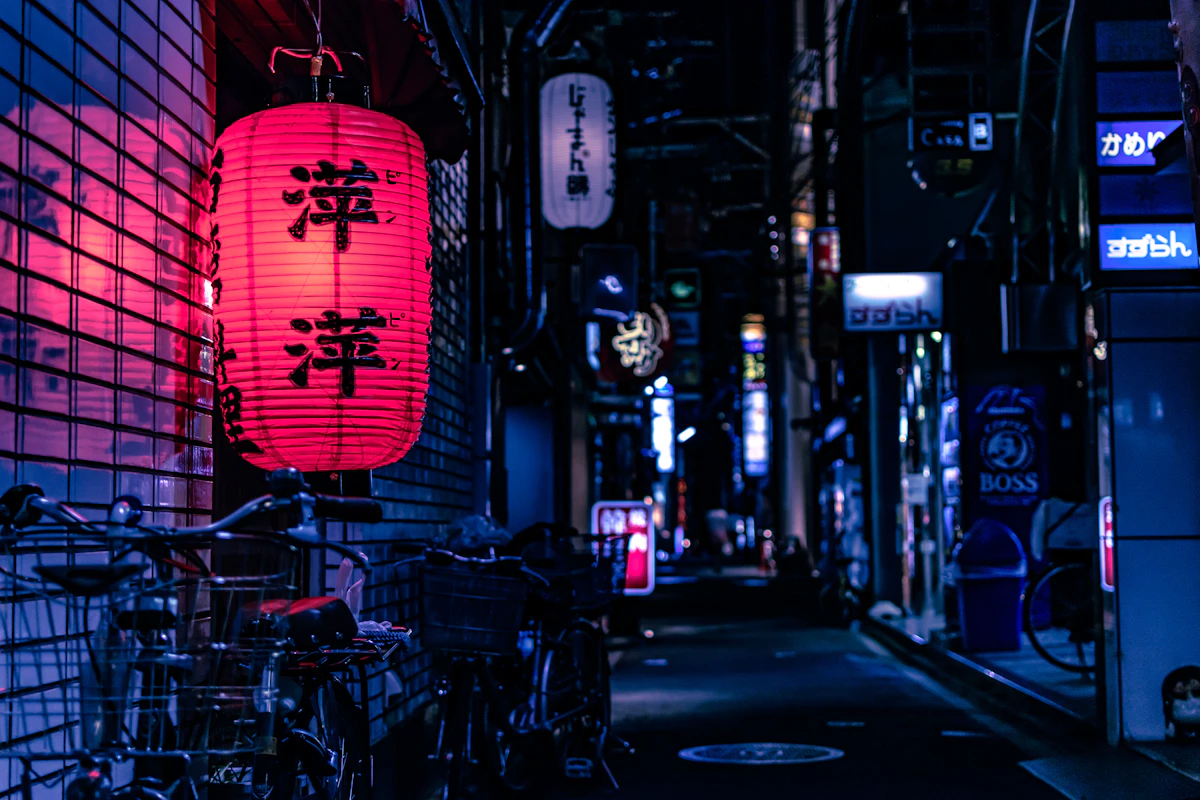
Samurai Immersion in Aizu-Wakamatsu
Japan's most authentic samurai city. Visit the castle, join a kendo lesson, dress in full samurai armor for a photo, and dine in a 200-year-old townhouse.
 Festival
Ouchi-juku Winter Lantern Festival
In February, the thatched village is blanketed in snow and lit by hundreds of lanterns — creating one of the most hauntingly beautiful winter scenes in Japan.
 Food
Kitakata Morning Ramen (Asara-men)
Kitakata has more ramen shops per capita than anywhere in Japan — and locals eat it for breakfast. Join the 7am queue at a century-old shop, newspaper in hand.
 Winter Sport
Ski Alts Bandai or Grandeco Resort
Two excellent ski resorts sit above the volcanic Urabandai plateau — consistent powder, forested runs, and far fewer crowds than the more famous resorts of the north.
 Craft
Aizu Lacquerware Workshop
Aizu Nuri is one of Japan's three great lacquerware traditions. Try your hand at applying the deep red lacquer to a small tray or cup under a craftsman's guidance.
 Nature
Cycling Around Lake Inawashiro
Japan's fourth-largest lake sits at 514m elevation with Mount Bandai as its backdrop. A 30km cycling loop runs the full shore — clear blue water on one side, volcano on the other.
 Food
Sake Brewery Tour in Aizu
Aizu's cold winters have produced sake for 400 years. Visit a historic brewery in the samurai district, taste through the range, and bring home a limited local label.
CultureByakkotai Memorial & Museum
The story of 20 teenage samurai who died rather than surrender is one of Japan's most moving. Visit the hillside graves and the museum dedicated to their final hours.
 Adventure
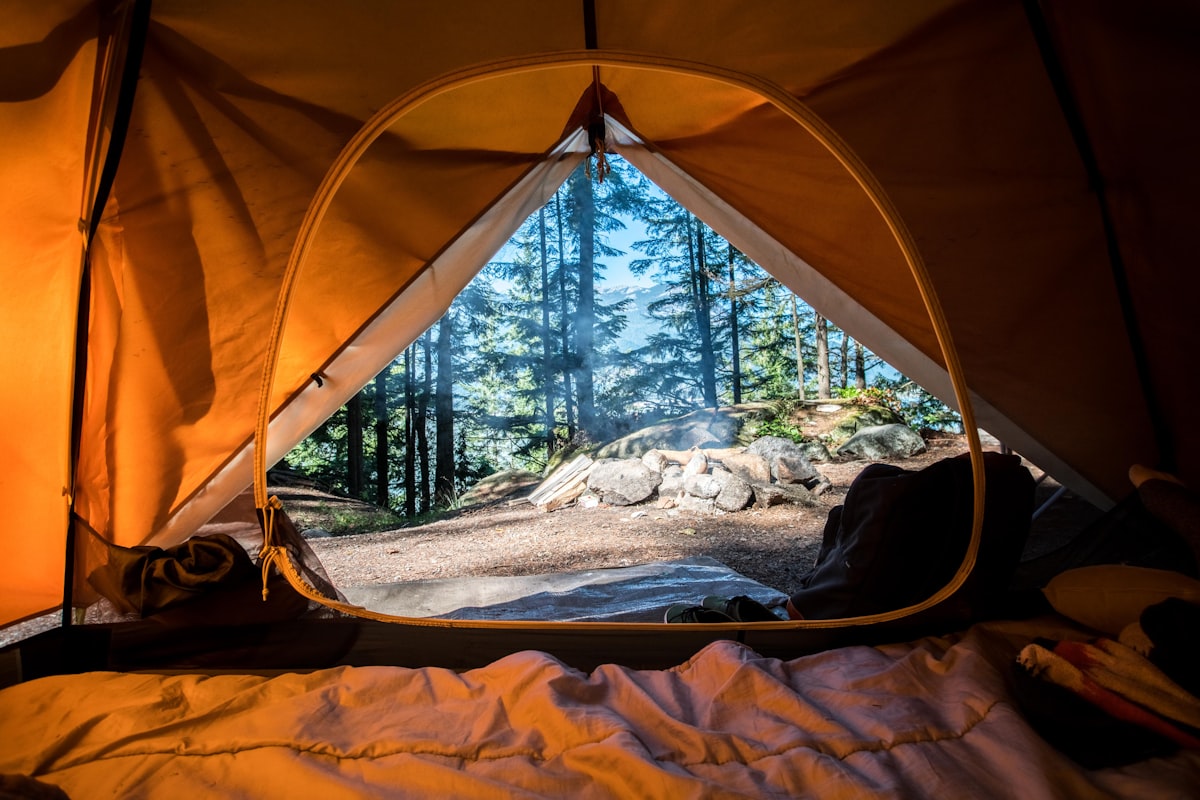
Urabandai Highland Kayaking & Canoeing
The Urabandai plateau is dotted with over 300 lakes and ponds. Rent a kayak and paddle between forests reflected perfectly in the still volcanic water.
 Food
Peach & Fruit Picking in Summer
Fukushima produces Japan's most prized peaches, pears, and apples. Visit a farm in August and fill a box with fruit so sweet and fragrant it barely needs chewing.
 Unique
Negi Soba Eating Experience in Ouchi-juku
Sit in a 400-year-old thatched restaurant and eat soba noodles using a whole green onion as your chopstick. One of Japan's quirkiest and most photographed food rituals.
Taste
Local Cuisine

Kitakata Ramen
One of Japan's big three ramen styles — flat wavy noodles in a clear, rich soy broth.

Fukushima Peaches
Japan's most celebrated peaches — intensely fragrant and honey-sweet in late summer.

Negi Soba
Buckwheat noodles eaten using a whole green onion as chopsticks — Ouchi-juku's legend.
Getting There
From Tokyo: approx. 1.5–2 hrs by Shinkansen to Koriyama or Fukushima Station. Easy and affordable day trip from Tokyo — ideal as a first or last stop in Tohoku.
Why Visit
- Aizu-Wakamatsu: Japan's most immersive 'living samurai city' with working museums and sake breweries
- Ouchi-juku: a perfectly preserved Edo-period post town that looks unchanged for 400 years
- Goshikinuma: five volcanic ponds in vivid shades of cobalt, emerald, and turquoise
Want to visit Fukushima?
We can arrange a custom itinerary including private transport and local guides.